
General nutrition education and lifestyle information only—not medical advice, diagnosis, or treatment. Individual experiences vary. Consult a qualified healthcare provider before changing your diet.

Your Body Already Knows What It Needs

Years of dieting can drown out your natural hunger and fullness cues. We'll help you hear them again—without rules, without guilt.

Start Here
Person pausing mindfully before a nourishing meal

Hunger, Cravings, and Fullness—What's the Difference?

Hunger is your body asking for fuel. It builds slowly—you might feel an empty stomach, a slight headache, or trouble focusing. Almost any real food will fix it.

A craving (appetite) is wanting something specific. You walk past a bakery and suddenly need a croissant—even though you ate an hour ago. That's usually about what you saw, smelled, or how you're feeling—not true hunger.

Fullness is that comfortable "I'm good" feeling. It takes about 15–20 minutes to kick in, which is why slowing down helps. Stopping when you're satisfied—not stuffed—is a skill worth practicing.

Before you eat, we help you name which signal you're feeling. That one pause turns autopilot snacking into a real choice.
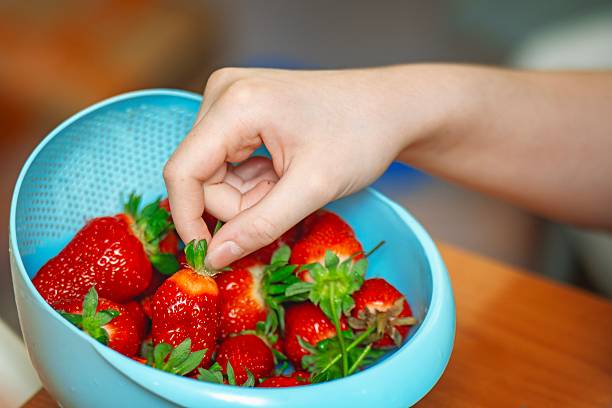
Hands holding a bowl of fresh seasonal fruit

There's No Magic Superfood List

No One Food Saves the Day

Blueberries are great—but so are blackberries, plums, and purple cabbage. Kale is healthy, but so are spinach and bok choy. Chasing one trendy ingredient misses the point: variety matters more than any single hero food.

Healthy Looks Different Everywhere

Japan eats lots of fish. The Mediterranean loves olive oil and beans. West African cooking features greens and grains. People thrive on all kinds of foods—there's no one list that works for everyone on earth.

Your Body Is the Best Guide

Some people handle dairy fine; others don't. Some need more protein; others feel better with less. What energizes your friend might bloat you. Pay attention to how foods make you feel—that's your personal superfood list.

Try the 1–10 Hunger Scale

Simple tool: 1 is starving, 3–4 means ready to eat, 7 is comfortably full, 10 is uncomfortably stuffed. Aim to start eating around 3–4 and stop around 7.

Before your first bite, rate your hunger. Halfway through, check in again. A lot of people realize they're already at a 6 but keep eating because food is still on the plate. Stopping when satisfied—not when the plate is empty—gets easier with practice.

People who do this regularly tend to overeat less within a couple of months. No app needed—just pause and be honest with yourself.

  • Rate your hunger before the first bite
  • Put your fork down halfway through the meal
  • Check in: still hungry, or good to stop?
  • Notice how you feel 30 minutes after eating
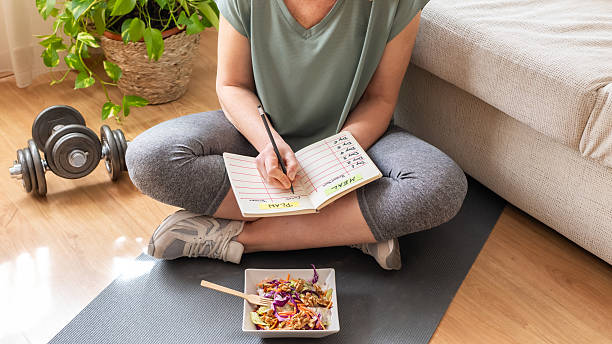
Mindful eating exercise with journal and balanced meal

Good to Know Before You Start

Learning to read your body's signals is educational—not a replacement for professional care. Please keep these points in mind.

  • If you've had an eating disorder: Work with a specialized treatment team first. Hunger and fullness exercises may need to be adapted with professional support.
  • If you take medications: Some prescriptions change appetite and fullness. Talk to your doctor before shifting how you eat.
  • If you're pregnant or nursing: Your nutritional needs are different right now. Follow your healthcare provider's guidance alongside any coaching.
  • Thirst feels like hunger. Drink water through the day—especially in Alabama heat—before reaching for a snack.

Rebuild Trust With Your Body

We'll guide you through it patiently—no lectures, no judgment. Just practical steps that help you eat with more confidence.

Book a Session