General nutrition education and lifestyle information only—not medical advice, diagnosis, or treatment. Individual experiences vary. Consult a qualified healthcare provider before changing your diet.

Nutrition Education & Habit Coaching

Based in Northport, Alabama. We offer general education on flexible eating and everyday food habits—not medical care, clinical diet therapy, or guaranteed results.

See How It Works
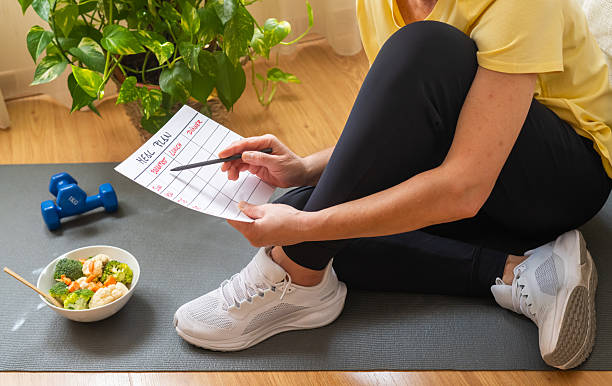
Fresh colorful vegetables and whole foods arranged on a table

Educational coaching only. Vibrantflexback provides general nutrition education and lifestyle habit coaching. We are not a medical provider and do not offer diagnosis, treatment, or clinical diet therapy. Content on this site is not reviewed by the FDA. We do not guarantee weight loss or specific health outcomes. Learn more about our services.

Why Flexible Eating Beats Strict Dieting

The tighter the rules, the harder the crash. When you ban certain foods, your brain treats them like prizes—and that pull gets stronger over time, not weaker.

Food Is Not Good or Bad

A cookie is not a moral failure. A salad is not a gold star. We help you choose meals based on how they make you feel—energized, satisfied, content—not based on shame or rules from social media.

Small Habits Beat Big Overhauls

Many people find that allowing some flexibility helps them feel less pressure around food. A steady breakfast you enjoy may be easier to maintain than a rigid plan that does not fit your routine.

Built Around Your Real Life

Your work hours, family meals, favorite cuisines, and budget matter. We shape guidance around what you actually eat—not a generic menu that ignores who you are.

Why Saying "Never Again" Backfires

You know the pattern: Monday starts clean, Friday ends with a box of cookies and a promise to restart Monday. That's the all-or-nothing trap—not a lack of willpower, but a normal response to feeling deprived.

When chocolate, bread, or pasta goes on the "never" list, your brain files it under rare and special. The more you resist, the louder the craving gets. Many people end up eating far more of a banned food than they ever would have with no ban at all.

Here's the shift: allow all foods back on the table. When nothing is forbidden, nothing feels urgent. Chocolate in the pantry stops calling your name at midnight. Over time, it becomes just food—you can enjoy it, skip it, or save it for later without the drama.

Learn About Allowing All Foods
Person enjoying a balanced meal without guilt

The 80/20 Rule: Eat Well Most Days, Enjoy Life Too

Simple idea: about 80% of what you eat nourishes your body—veggies, whole grains, protein, healthy fats. The other 20% is for pizza night, birthday cake, or whatever you genuinely love. No cheat days. No making up for it with extra gym time.

Picture a normal week: oatmeal and berries for breakfast, a solid lunch, a home-cooked dinner most nights—and then you enjoy takeout with friends or dessert at a party without the guilt spiral. That 20% keeps you from feeling deprived, which is what usually triggers weekend blowouts.

Plans with room to breathe are the ones people still follow a year later. When your favorite foods have a place in the plan, eating stops feeling like a temporary project and starts feeling like your life.

  • Most meals: vegetables, whole grains, fruits, and good protein
  • Enjoy treats without punishing yourself afterward
  • Adjust as your activity, season, or goals change
How the 80/20 Method Works
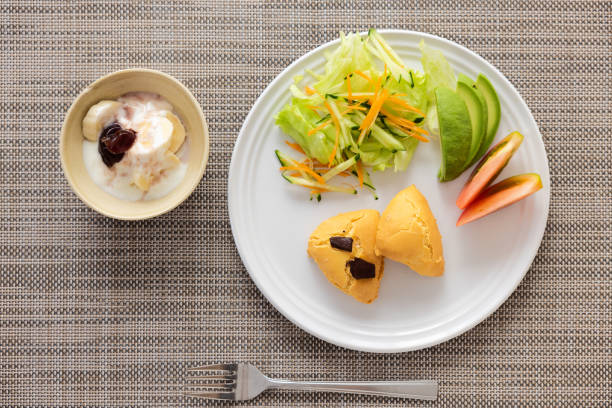
Balanced plate with vegetables grains and a small dessert portion

Forget the Superfood Hype

Every year there's a new "miracle" ingredient—kale, acai, whatever's trending. The truth is simpler: no single food fixes everything, and what works great for one person might not sit well with another.

Every Culture Eats Differently People stay healthy on fish, beans, rice, greens, and olive oil—all kinds of foods
Your Body Is Unique How you digest food, how active you are, and your genetics all play a role
Mix It Up Through the Year Seasonal produce keeps meals interesting and your plate varied

Skip the superfood checklist. Aim for color on your plate, different proteins across the week, some fermented foods, and healthy fats from nuts, olive oil, or fish. Your body cares about the big picture over months—not one trendy ingredient eaten once.

Learn to Read Your Body's Signals
Woman practicing mindful eating with awareness

Learn What Your Body Is Telling You

Three signals often get mixed up: hunger (your body needs fuel—it builds slowly and almost any food will do), appetite (you want something specific, often because you saw or smelled it), and fullness (that comfortable "I'm good" feeling that says stop eating).

We use a simple 1–10 scale: start eating around a 3 or 4, stop around a 7. Before grabbing a snack, pause and ask: am I actually hungry, or am I bored, stressed, or just tired? That one question changes a lot.

If you've followed diet rules for years, tuning back into your body takes practice. We walk you through it step by step—no judgment, just honest check-ins until listening to yourself feels natural again.

Look Beyond the Scale

Your weight can swing several pounds in a day—from water, salt, hormones, or digestion. Staring at one number every morning often creates stress without telling you much. We focus on signs that actually show how you're doing day to day.

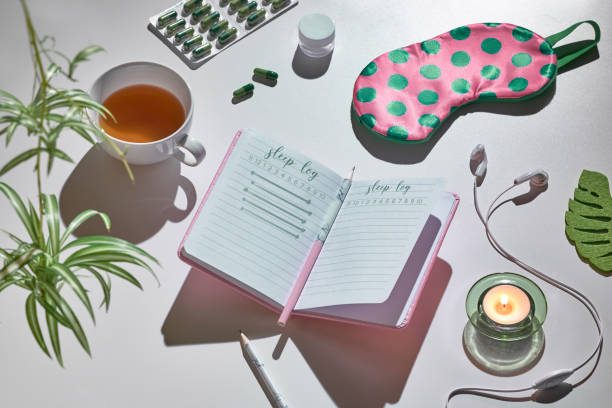
Wellness journal tracking energy sleep and skin health
  • How's Your Energy?

    Some people use daily energy as a personal wellness signal—not a medical measure. An afternoon slump may be worth noticing alongside what you ate earlier, though many factors affect energy. This is general education, not a clinical assessment.

  • How Are You Sleeping?

    Big late dinners, too much coffee, and poor sleep all feed each other. When you don't sleep well, you crave quick-energy junk food the next day. Note your sleep and your meals side by side—you'll spot patterns fast.

  • How Do You Feel Overall?

    Hydration, sleep, and balanced meals may contribute to how you feel day to day. Everyone is different, and skin appearance depends on genetics, skincare, and other factors. We share general wellness ideas—not cosmetic or medical promises.

Track What Really Matters

Before You Get Started

Our coaching is about everyday wellness—not medical treatment. A few things worth knowing upfront:

This Is Education, Not Medical Advice

What you read here and in our sessions is meant to inform and support you. It doesn't replace your doctor, dietitian, or any provider who knows your health history.

Talk to Your Doctor If...

You've had an eating disorder, you're pregnant or nursing, you take regular medications, or you manage an ongoing health condition. Get the green light before changing how you eat.

No Guaranteed Outcomes

We do not promise weight loss, body changes, or specific health results. Coaching focuses on education, habit skills, and food relationship—not medical treatment or performance guarantees.

Frequently Asked Questions

Not quite. You still pay attention to what and when you eat. The difference is there's no shame, no forbidden list, and no "ruined day" if you have pizza. You eat well most of the time and enjoy life the rest—on purpose, not on autopilot.
A meal plan tells you what to eat Tuesday. Coaching teaches you how to make good choices every Tuesday—around your job, your family, and the foods you actually like. The skills stay with you long after our sessions end.
Yes. Come to our studio in Northport or join by video call from anywhere in the U.S.—whatever works better for you.
Our team provides general nutrition education and lifestyle habit coaching. We are not a substitute for a physician, registered dietitian nutritionist (RDN), or other licensed healthcare provider. For medical nutrition therapy, please consult a qualified professional.
Get in Touch