General nutrition education and lifestyle information only—not medical advice, diagnosis, or treatment. Individual experiences vary. Consult a qualified healthcare provider before changing your diet.

The 80/20 Way to Eat Every Day

Eat well most of the time, enjoy yourself the rest—without guilt. It's simple, flexible, and built for real weeks, not perfect ones.

Work With a Coach
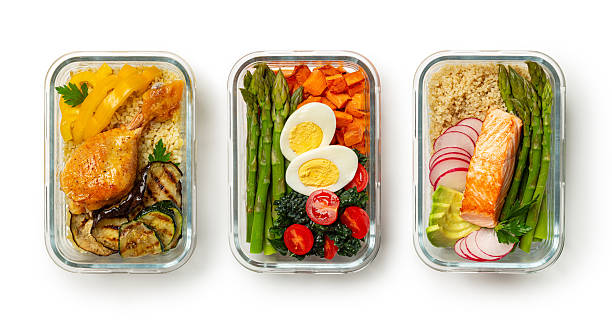
Colorful meal prep containers with balanced portions

What Does 80/20 Look Like on Your Plate?

Think of it as a rough guide, not a math test. About eight out of ten times, you eat foods that nourish you—veggies, fruit, whole grains, beans, lean protein, healthy fats. The other two times? Pizza with friends, a pastry you love, popcorn at the movies. Pure enjoyment.

Whole Grains Lean Proteins Colorful Produce Healthy Fats Favorite Treats

In a week of 21 meals, that's roughly 17 solid, nourishing meals and 4 where you eat what you want. Some days are all treats—a wedding, a vacation. Other days are mostly home cooking. What matters is the overall pattern, not any single meal.

Why People Stick With It

Diets fail when they feel like punishment. 80/20 works because you're not white-knuckling through the week waiting for a cheat day. You know Friday takeout is part of the plan—so you're not secretly snacking out of resentment on Wednesday.

You've already decided that enjoyment has a place. That may reduce the pressure that strict plans often create. Some people find this approach easier to maintain over time, though individual experiences vary and we make no guarantees.

It also cuts down on daily overthinking. Instead of "is this allowed?" you ask something simpler: have I been eating well lately? If yes, enjoy. If not, maybe start with something that actually satisfies you.

No spreadsheet required. Just a honest sense of balance that gets easier with practice.
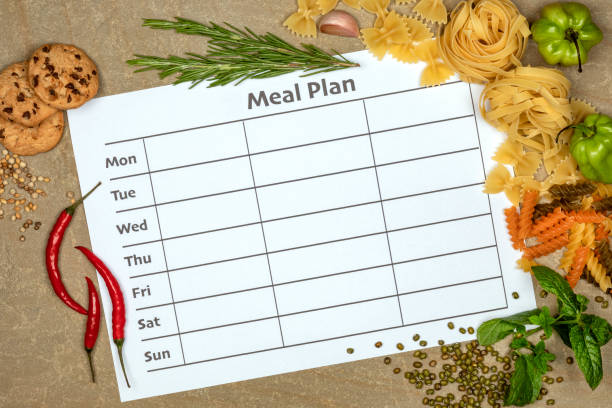
Weekly meal plan showing balanced and treat meals

A Sample Week That Actually Works

Monday–Thursday: Keep It Simple

Prep some grains and roasted veggies on Sunday. Stock easy proteins—chicken, eggs, canned beans, tofu. Think yogurt and berries for breakfast, a grain bowl for lunch, sheet-pan salmon for dinner. Fewer decisions on busy days means fewer drive-through detours.

Friday: Go Out and Enjoy It

Plan for dinner out or takeout. Have a small protein snack beforehand so you're hungry, not starving. Order what sounds good—no guilt. One fun meal doesn't erase four days of eating well.

Weekend: Live Your Life

Brunch, BBQ, baking with kids—join in. The skill that matters is Monday: go back to your normal meals without punishing yourself. No detox, no extra gym sessions. Just resume eating the way you usually do.

Frequently Asked Questions

No. It's a gut-feel guide, not homework. Most people get the hang of it in two or three weeks. If most of your meals have veggies and decent protein, you're probably already there.
Sure. If you train hard, you might need more flexible calories. If you prefer tighter structure, go for it. The idea—mostly nourishing food with room for fun—matters more than the exact split.
One big meal isn't a failure. Ask what led to it—were you starving, stressed, or skipped lunch? Learn from it, eat normally next time, and move on. No punishment required.
Yes. Your 80% is whatever nourishing foods fit your diet—lentils, quinoa, roasted veggies—and your 20% is treats that work for you.

Mistakes We See (and Easy Fixes)

  • Saving all treats for one blowout day. Spread the good stuff across the week so you don't feel deprived.
  • Eating boring "healthy" meals you hate. Nourishing food should taste good. Try new spices, sauces, and recipes you actually want to eat.
  • Hitting the gym extra hard after a treat. Exercise is for feeling good—not paying a penalty for eating.
  • Skipping meals on "good" days. Undereating during the week often leads to overeating on the weekend.
Get Personal Help
Delicious healthy home cooked dinner with fresh ingredients